
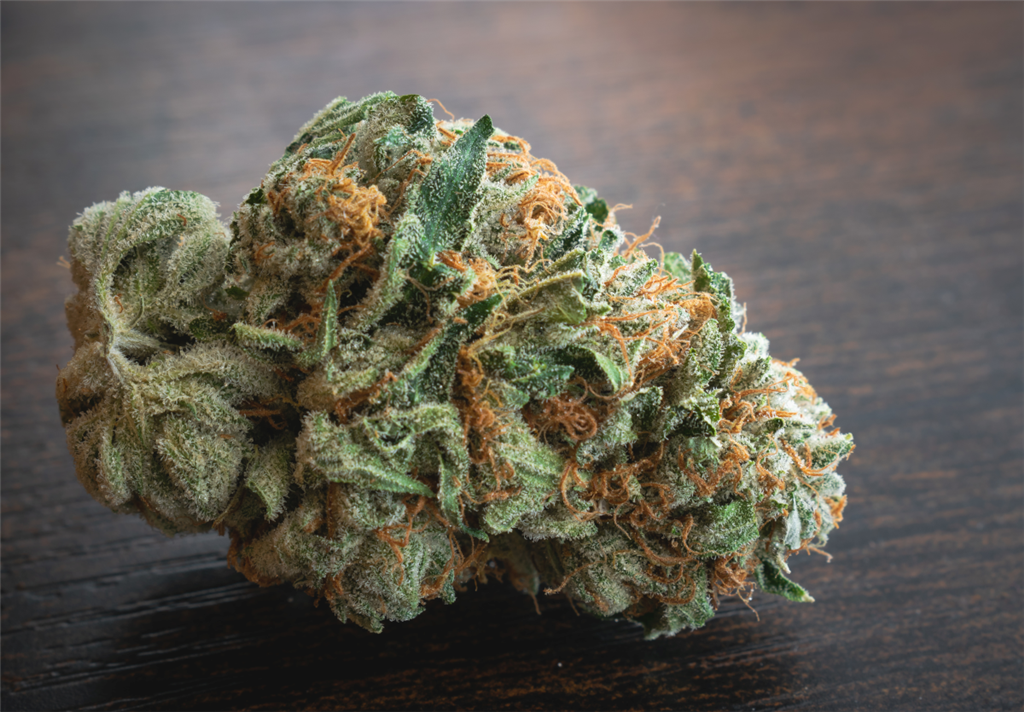
Cannabis and Sleep: A Natural Remedy for Insomnia

Introduction:
Sleep is essential for our overall well-being, allowing our bodies to rest, recover, and rejuvenate. However, many individuals struggle with sleep disorders, particularly insomnia, which can have a significant impact on their quality of life. In recent years, cannabis has emerged as a potential natural remedy for insomnia, offering an alternative approach to traditional sleep aids. In this article, we will explore the relationship between cannabis and sleep, examining its effectiveness, potential benefits, and considerations for use. By providing evidence-based insights and practical information, we aim to shed light on cannabis as a potential tool for addressing sleep disturbances.
Understanding Insomnia and Its Impact
Insomnia: Definition and Symptoms
Insomnia is a sleep disorder characterized by difficulty falling asleep, staying asleep, or experiencing non-restorative sleep. Common symptoms include fatigue, irritability, difficulty concentrating, and daytime sleepiness. Chronic insomnia can significantly impact a person's overall well-being, affecting their mood, cognitive function, and overall quality of life.
Conventional Approaches to Insomnia
Traditional treatments for insomnia often involve pharmaceutical interventions such as sedative-hypnotic medications. However, these medications may come with side effects, dependency risks, and limited long-term effectiveness. As a result, many individuals are exploring alternative options, including cannabis, to promote better sleep.
The Role of Cannabis in Sleep Regulation
Cannabinoids and the Endocannabinoid System
Cannabis contains chemical compounds called cannabinoids, which interact with the body's endocannabinoid system (ECS). The ECS plays a vital role in regulating various physiological processes, including sleep-wake cycles. Two primary cannabinoids, tetrahydrocannabinol (THC) and cannabidiol (CBD), have received attention for their potential effects on sleep.
THC and Sleep
THC is known for its psychoactive effects and has been associated with sedation and relaxation. It interacts with cannabinoid receptors in the brain, influencing sleep patterns and promoting drowsiness. However, higher doses of THC may lead to residual effects and morning grogginess.
CBD and Sleep
CBD is a non-intoxicating cannabinoid that has gained popularity for its potential therapeutic properties, including its potential to promote better sleep. While the exact mechanisms are not fully understood, CBD is believed to interact with receptors and neurotransmitters involved in the sleep-wake cycle, potentially promoting relaxation and reducing anxiety, which can contribute to better sleep quality.
Clinical Evidence and Effectiveness
Research on Cannabis and Sleep
Numerous studies have explored the effects of cannabis on sleep, particularly in individuals with insomnia. Some research suggests that cannabis can reduce the time it takes to fall asleep, increase total sleep time, and improve sleep quality. However, more high-quality clinical trials are needed to fully understand the effectiveness of cannabis for different types of sleep disorders.
Individual Variability and Strain Selection
The effects of cannabis on sleep can vary from person to person. Factors such as the individual's unique physiology, tolerance, and the specific cannabis strain consumed can influence the outcomes. Indica-dominant strains are often associated with sedating effects and may be more suitable for promoting sleep.
Considerations for Cannabis Use in Sleep Management
Dosage and Timing
Finding the right dosage and timing is crucial when using cannabis for sleep management. It is recommended to start with low doses and gradually increase as needed. Additionally, consuming cannabis well before bedtime allows for the onset of effects and minimizes the risk of residual effects upon waking.
Potential Side Effects and Risks
Cannabis use may come with potential side effects, including dry mouth, increased heart rate, and temporary memory impairment. Individuals with underlying medical conditions, such as respiratory issues or mental health disorders, should exercise caution and consult with healthcare professionals before using cannabis as a sleep aid.
Legal Considerations and Accessibility
Cannabis laws vary across jurisdictions, with some allowing medical and/or recreational use, while others have stricter regulations. It is important to be aware of the legal status of cannabis in your area and adhere to applicable laws and regulations. Additionally, access to quality-controlled cannabis products from reputable sources is crucial to ensure safety and efficacy.
Integrating Cannabis into a Comprehensive Sleep Routine
Holistic Sleep Practices
While cannabis may offer potential benefits for sleep, it should be viewed as part of a comprehensive approach to sleep hygiene. Incorporating other healthy sleep practices, such as maintaining a regular sleep schedule, creating a relaxing sleep environment, and practicing relaxation techniques, can enhance the overall effectiveness of your sleep routine.
Consultation with Healthcare Professionals
Before incorporating cannabis into your sleep management plan, it is important to consult with healthcare professionals, particularly those knowledgeable about cannabis therapeutics. They can provide personalized guidance, evaluate potential drug interactions, and help monitor your overall sleep health.
Conclusion:
Insomnia and sleep disturbances can significantly impact one's quality of life, and finding effective solutions is crucial. While cannabis shows promise as a potential natural remedy for insomnia, further research is needed to fully understand its mechanisms and effectiveness. Individual responses to cannabis can vary, and it is important to consider personal factors, legal considerations, and consult with healthcare professionals when integrating cannabis into your sleep management routine. By combining evidence-based practices, informed decision-making, and professional guidance, individuals can explore cannabis as a potential tool to promote better sleep and overall well-being.